



For AGVs and AMRs that require frequent and highly reliable operation in warehouses, logistics, and manufacturing workshops, the high automation, high reliability, low maintenance, and high efficiency charging capabilities achieved by wireless charging technology are significantly enhancing the performance and economy of the overall material handling system. It not only overcomes multiple bottlenecks of traditional charging methods, but also serves as a key infrastructure for achieving flexible production and intelligent logistics.








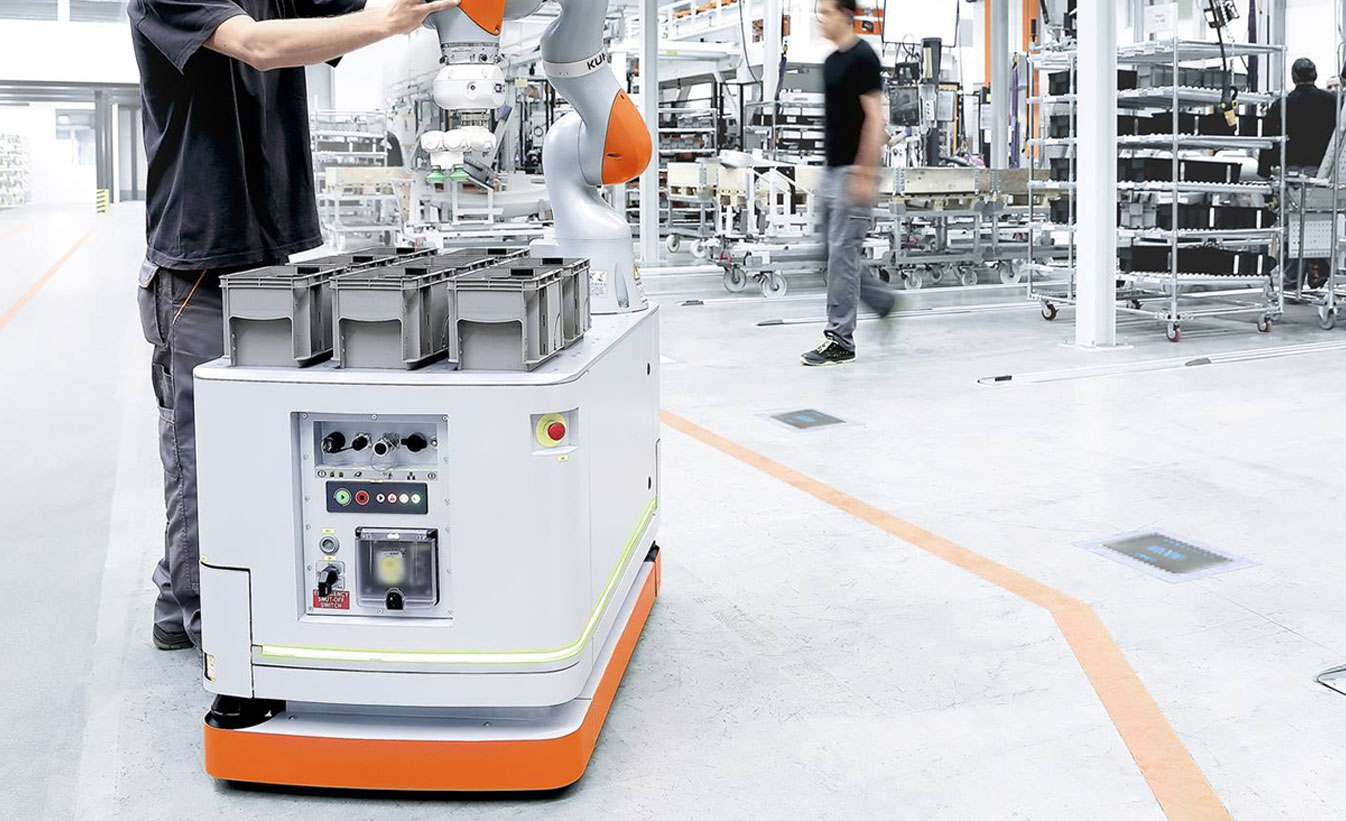
There is no need for precise alignment of the charging port. The AGV only needs to park within the approximate area of the emission coil to establish the charging connection, thereby enhancing the system's robustness and success rate.
Without the need for human intervention, the AGV/AMR can autonomously locate to the charging area to achieve automatic energy replenishment, supporting truly 24/7 uninterrupted operation.
Support for fragmented charging. During task intervals, loading/unloading cargo waiting periods, etc., short-term recharging can be carried out during idle times, achieving "stop and charge immediately", significantly improving equipment availability and task continuity.

Traditional contact-type charging stations require frequent plugging and unplugging, which can easily cause the plugs to burn out, deform or have poor contact. Wireless charging, on the other hand, completely avoids mechanical friction and electrical sparks.
The transmitting and receiving ends can adopt a fully sealed structure, which is not affected by common industrial environment disturbances such as dust, oil stains, and humidity. It is particularly suitable for industries such as food, medicine, and chemicals.
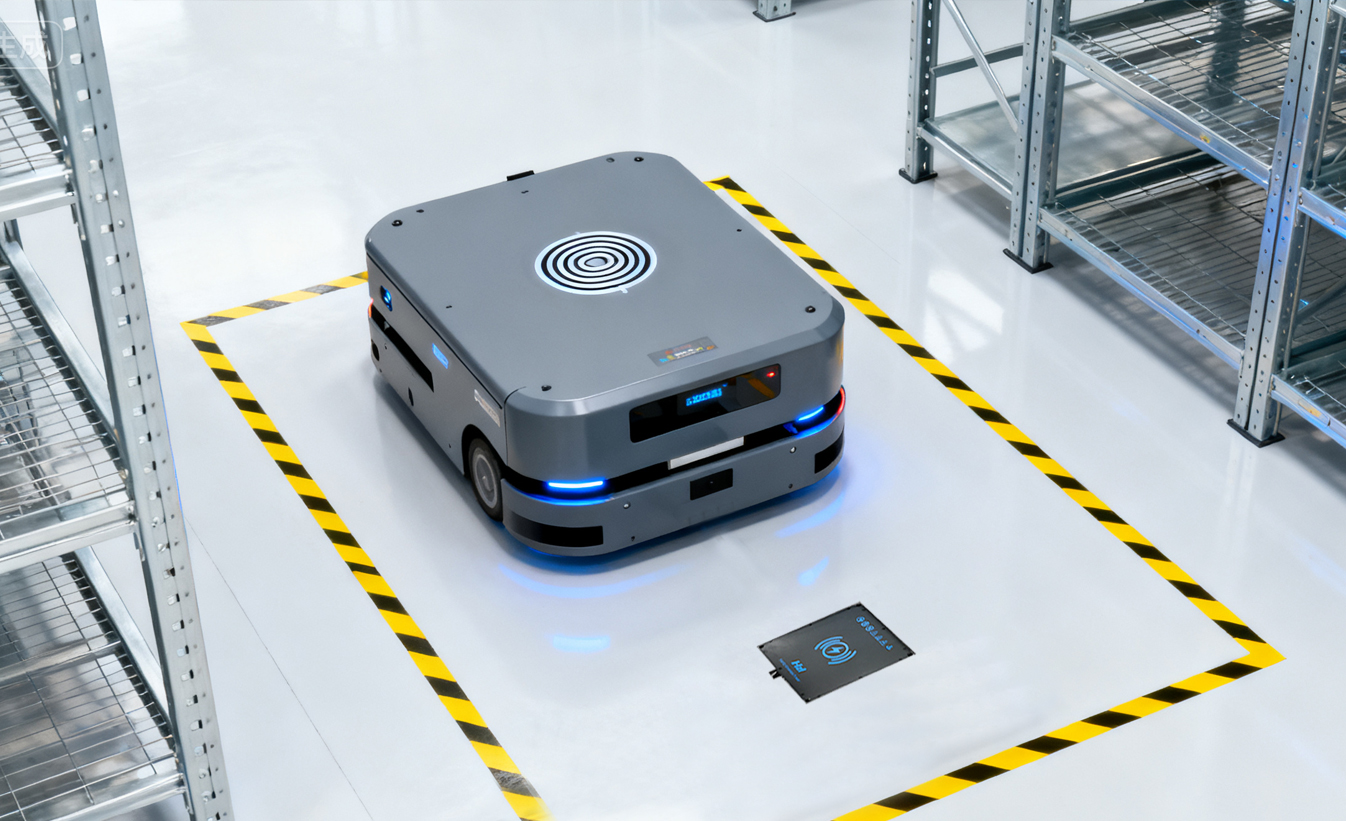
Fundamentally eliminate the risks of personnel touching incorrectly, arc discharge or short circuit. Comply with international safety standards such as CE and UL.
The charging area has no exposed wires, eliminating the risks of wire pulling or entanglement during the movement of the AGV, ensuring safety in mixed pedestrian and vehicle areas.
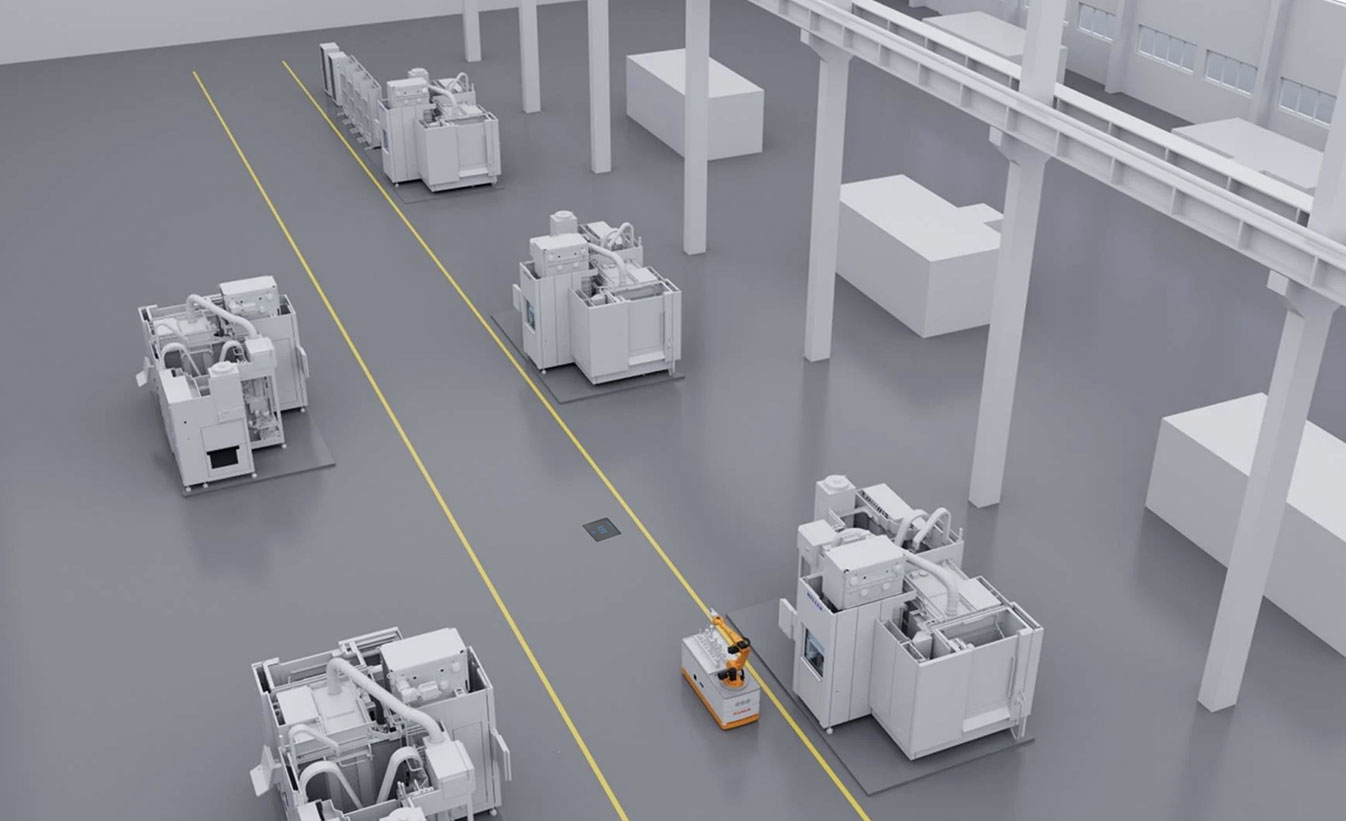
The non-physical contact design significantly reduces the failure rate and avoids downtime and maintenance due to damaged sockets, aging cables, etc.
There is no need for dedicated personnel to plug or unplug the charging cable, and the cost of specially laying strong current lines and protective devices for the charging station is also saved.
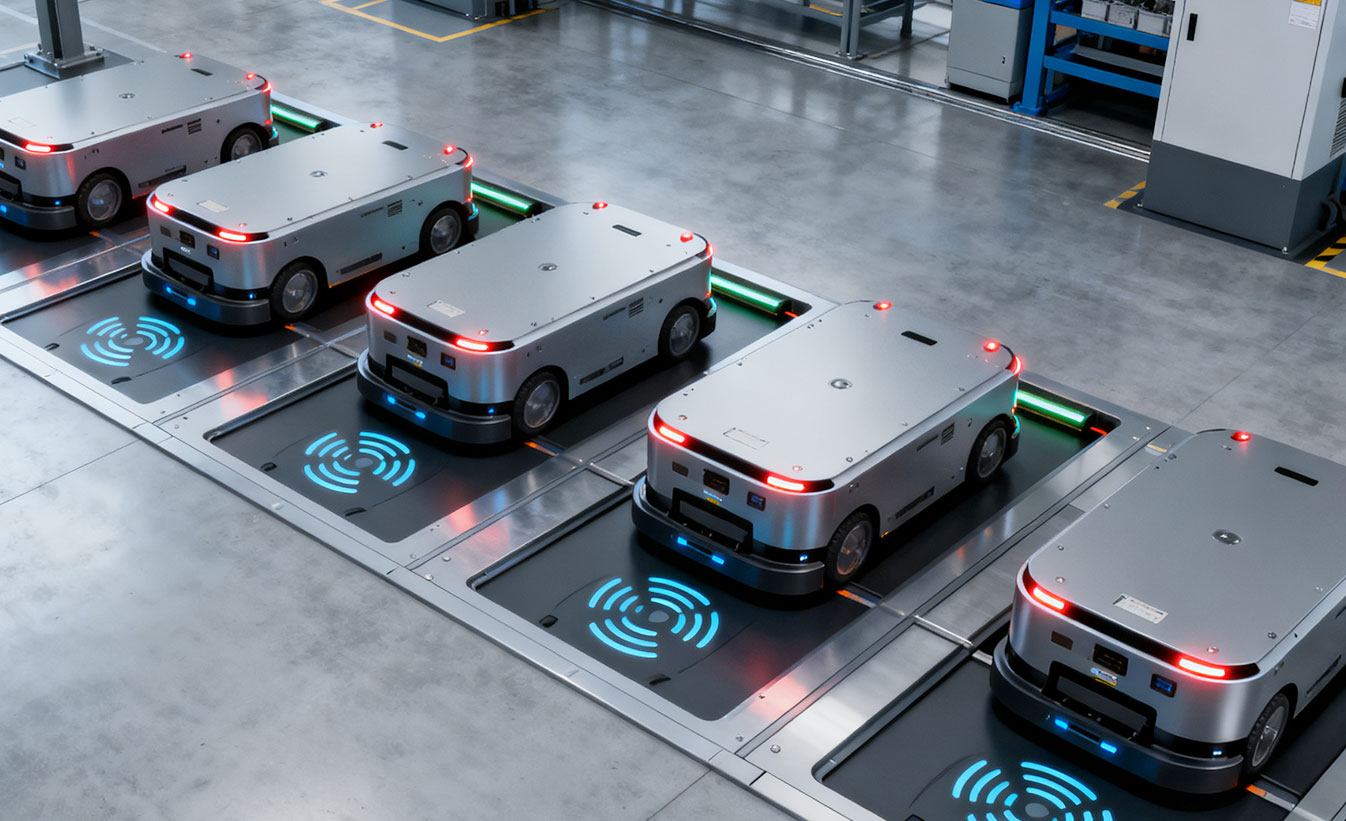
The charging points can be flexibly deployed. They can be quickly added at key nodes according to the operation cycle and logistics routes without the need for any construction modifications. They can move along with the line body adjustments.
It is seamlessly integrated with the dispatching system, supporting real-time energy management and strategy optimization. The system can make intelligent decisions on charging timing based on the battery status and task queue, achieving the optimization of energy efficiency.