



Designed specifically for commercial and high-end residential swimming pools, it adopts magnetic resonance wireless charging technology to achieve complete waterproofing and non-contact charging. The system supports IP65/IP67 level water resistance, suitable for high-humidity and high-corrosion environments. The robot can autonomously return to the charging station, enabling 24/7 unmanned operation, completely eliminating the risk of underwater electrical operations, and enhancing safety and automation levels.
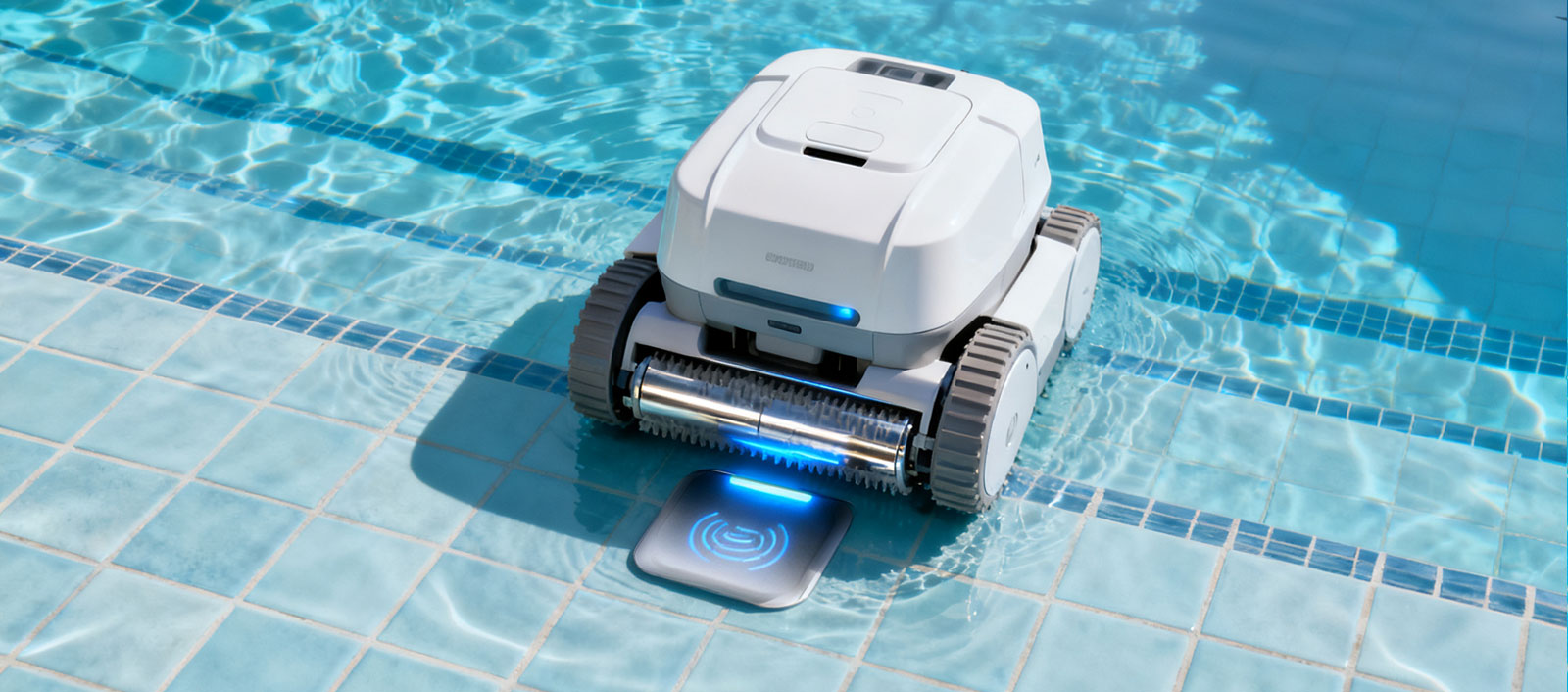






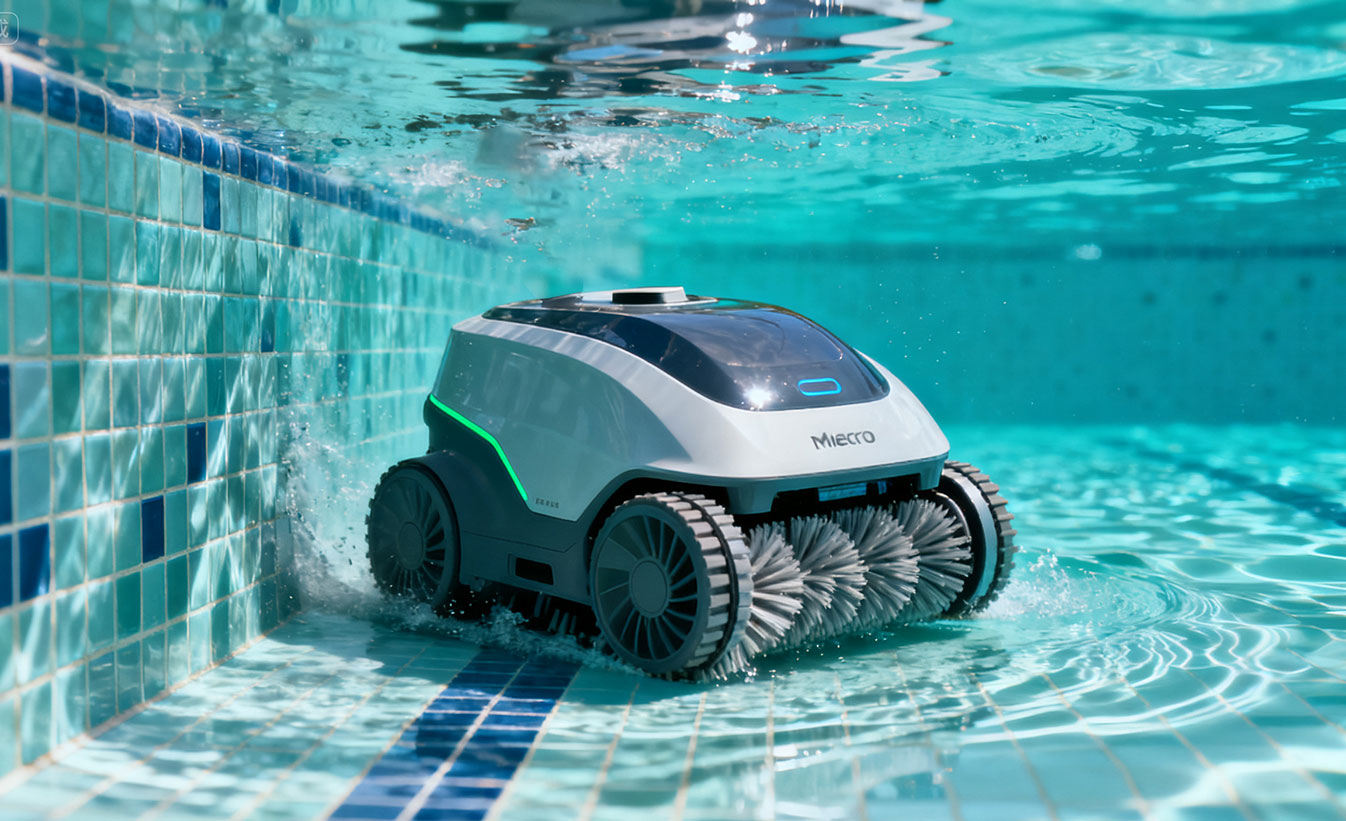
The system is equipped with IP65/IP67 and other high-level protection, effectively preventing corrosive substances such as rainwater, dust, and salt fog from entering, and avoiding short circuits and corrosion faults.
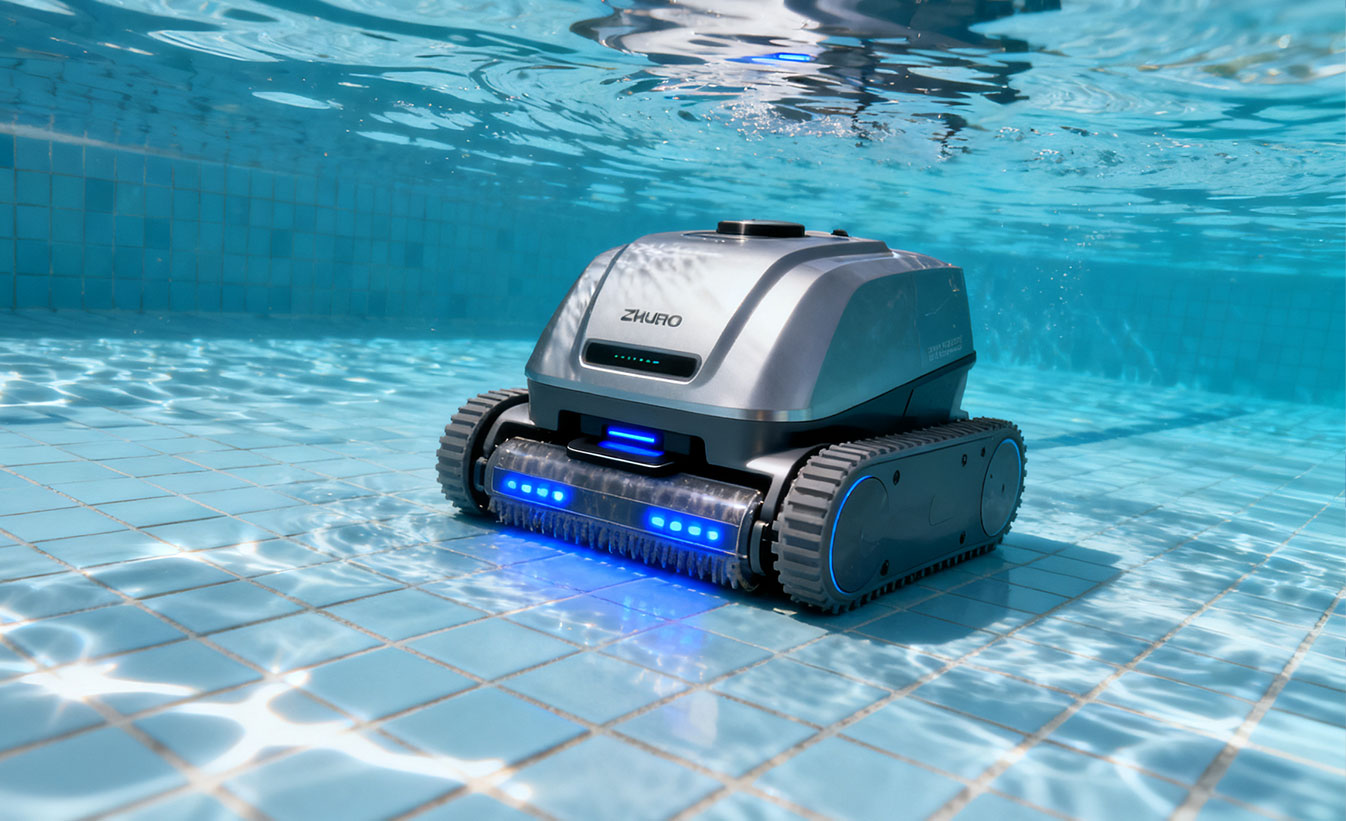
In extreme high and low temperature environments, the design without physical interfaces avoids problems such as thermal expansion and contraction or freezing, ensuring the stable operation of the system.
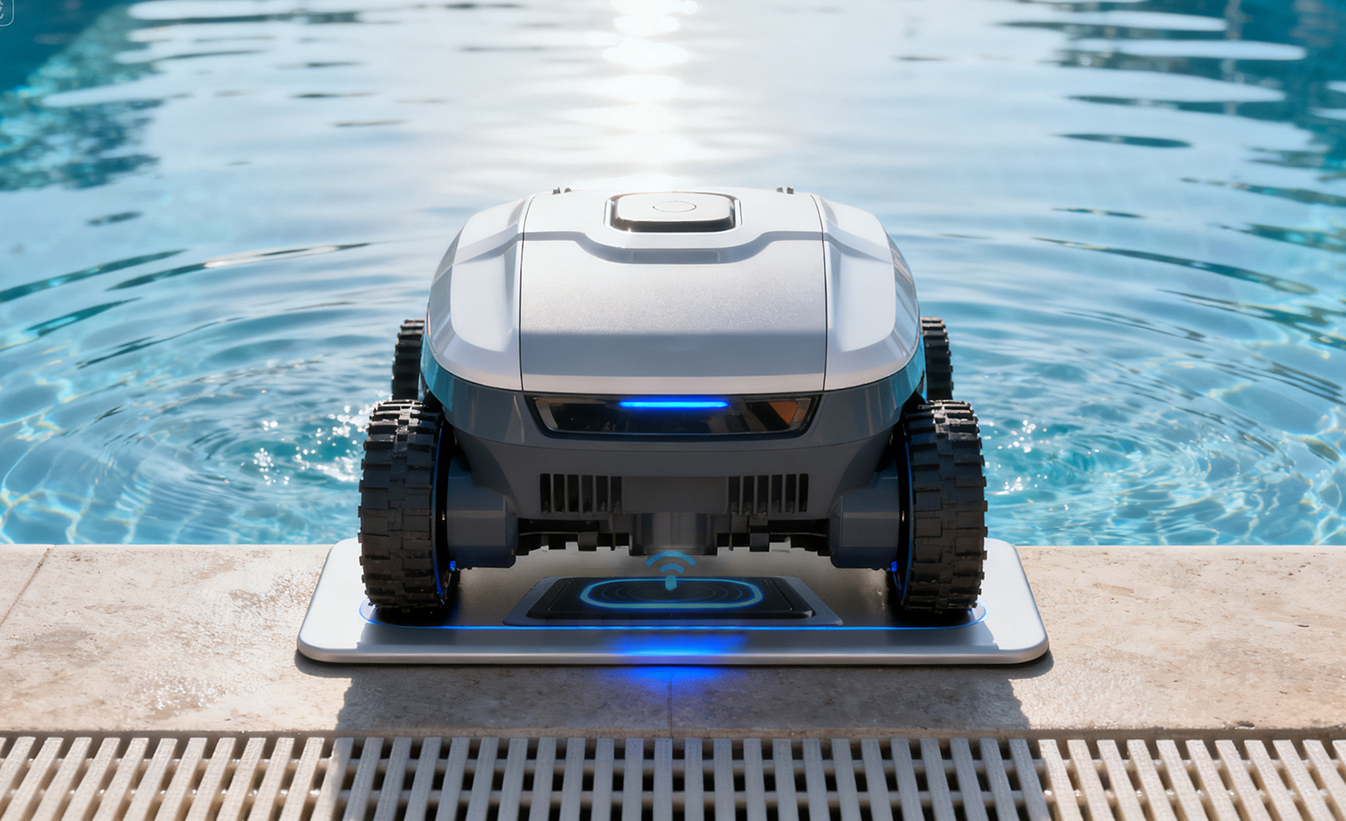
The robot only needs to navigate to the general area of the charging zone (which usually has a guiding function), without the need for precise alignment with the socket. This significantly reduces the requirement for positioning accuracy, thereby increasing the success rate and efficiency of charging.
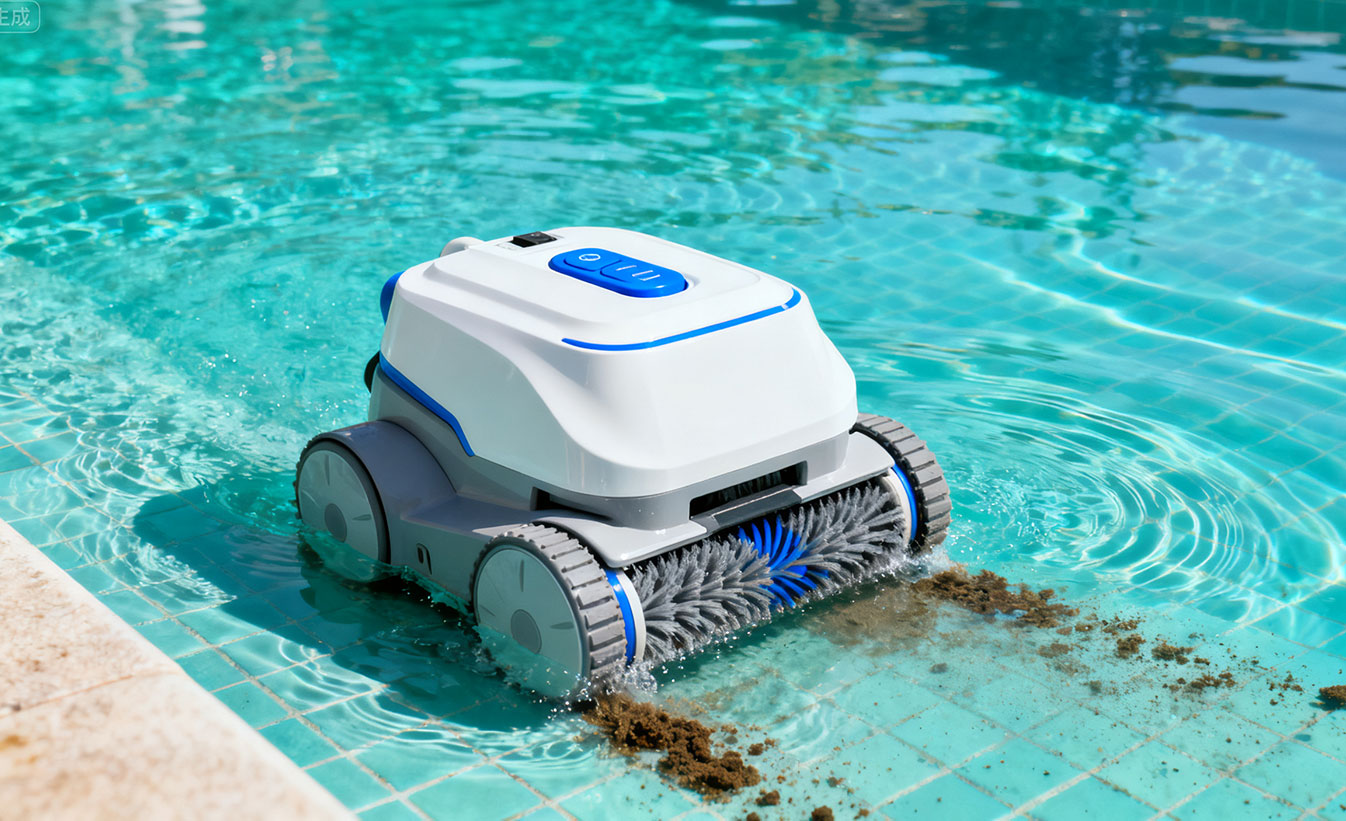
No manual insertion or removal operations are required, which is the key to achieving all-day automatic operation and remote maintenance.
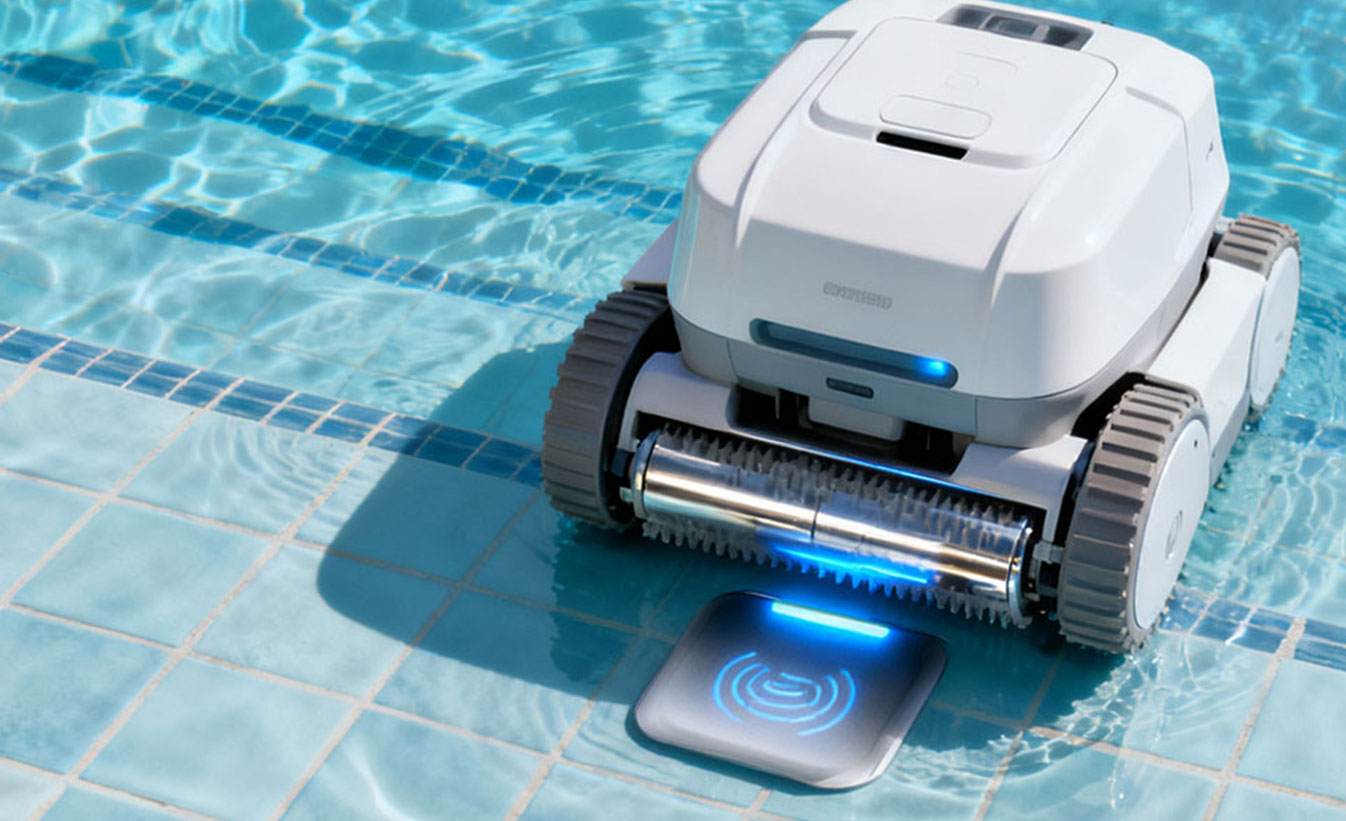
There are no exposed conductive contacts, which fundamentally eliminates the risk of electric shock that may occur during charging, ensuring the safety of personnel and the environment.
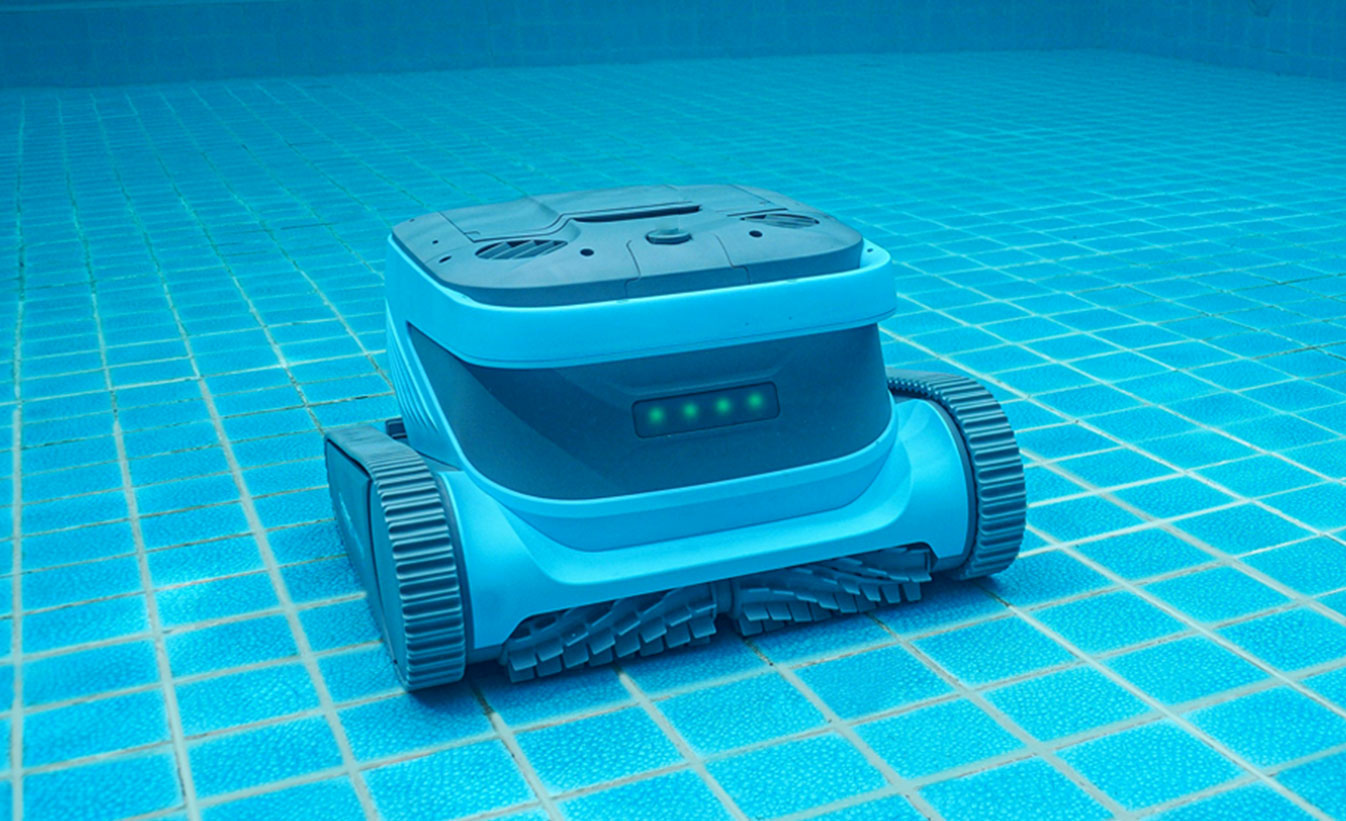
There are no vulnerable physical interfaces, reducing the frequency of maintenance; no need for manual intervention during charging, saving labor costs.