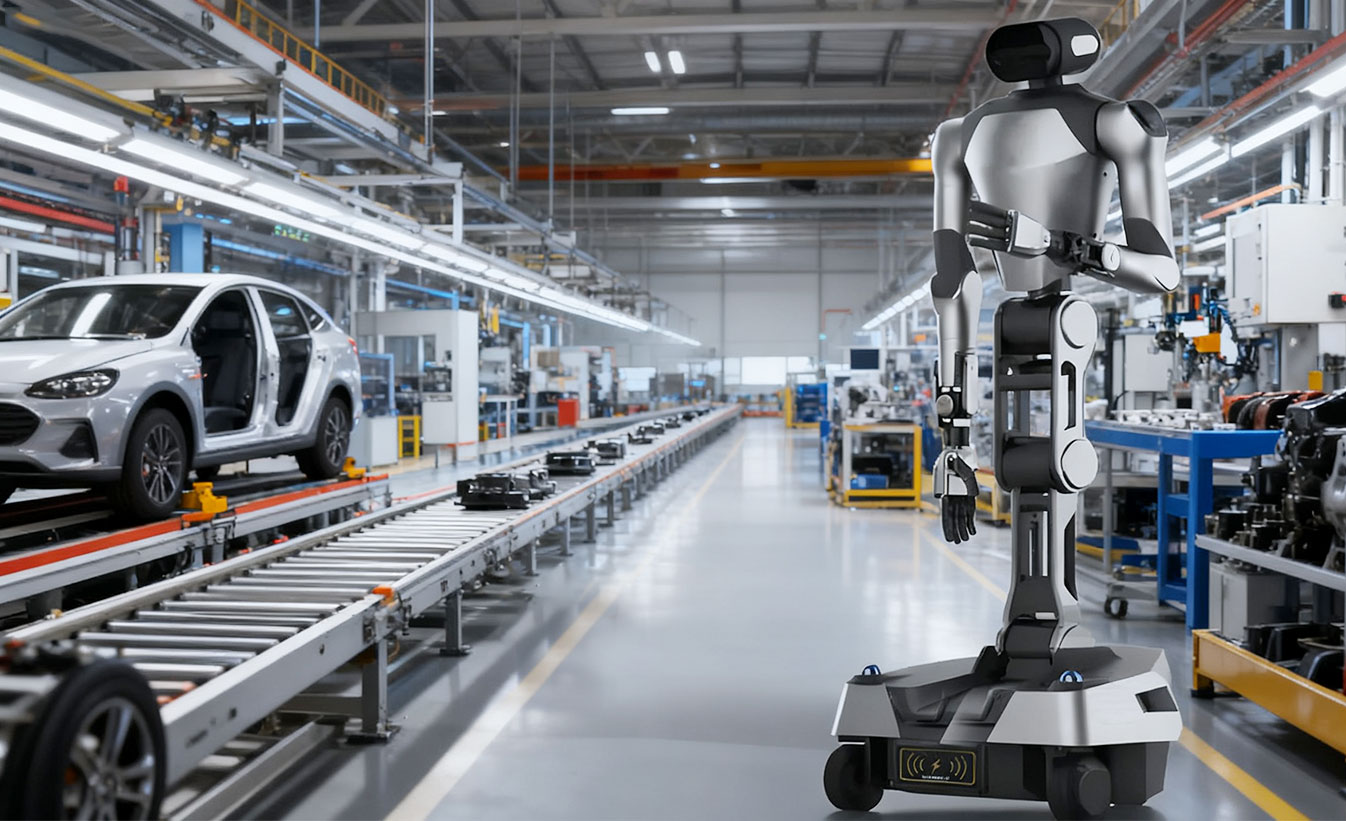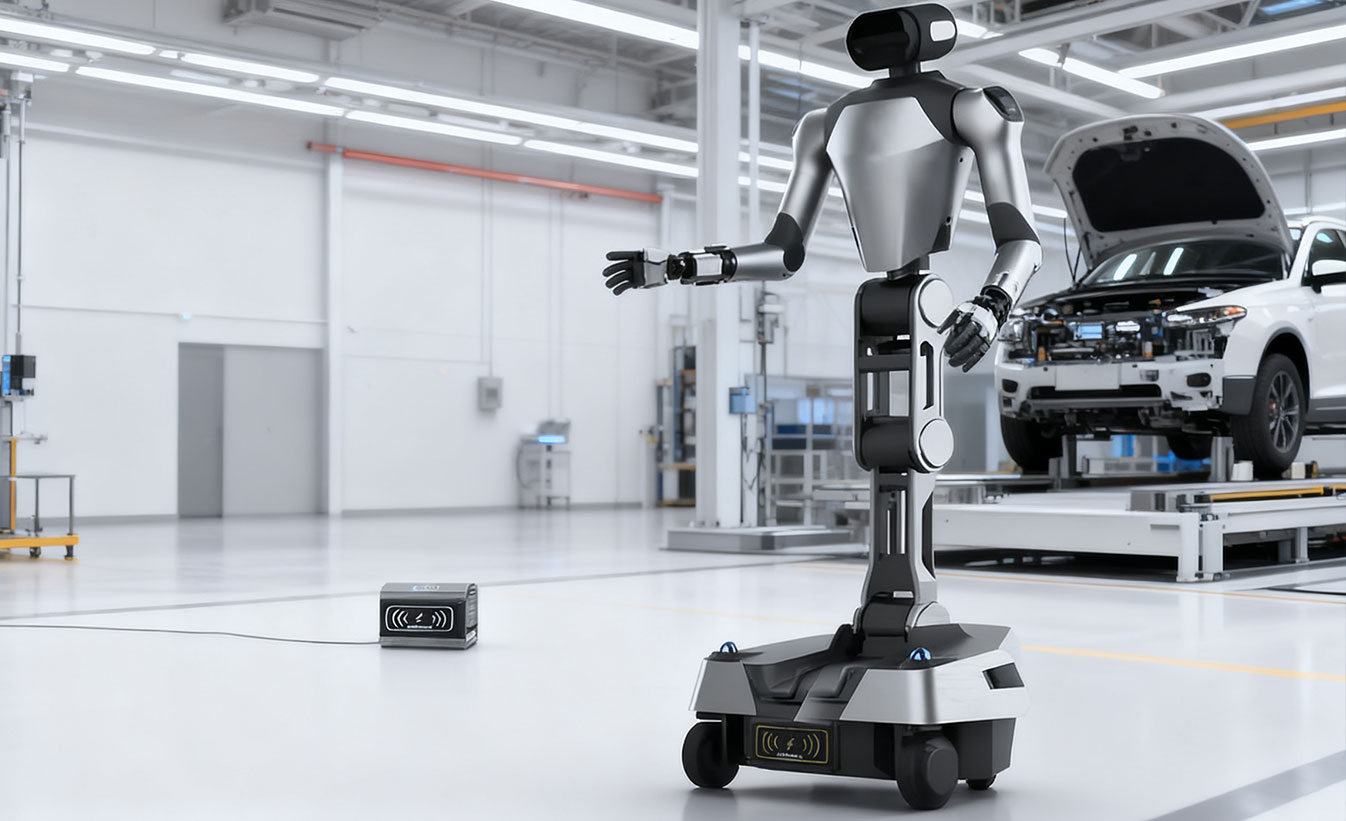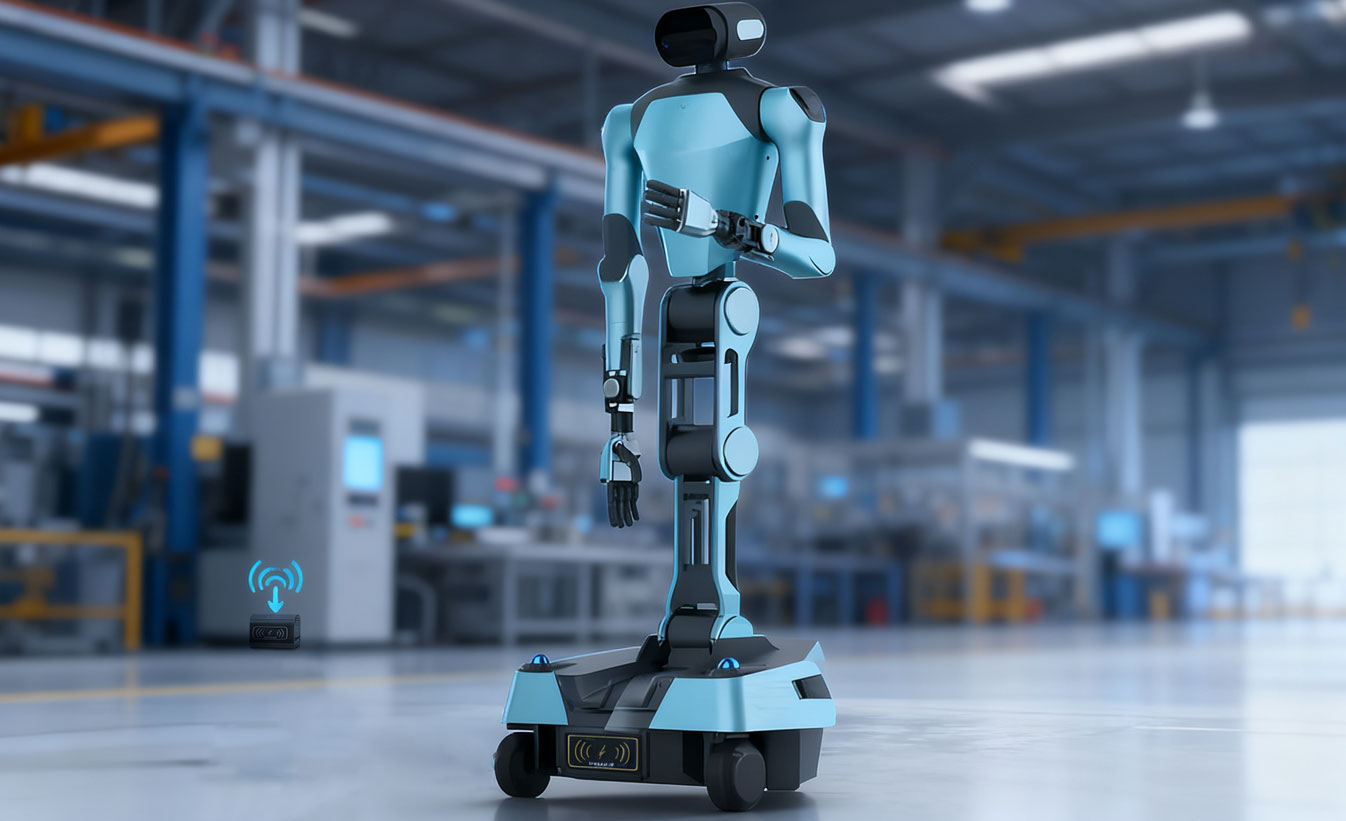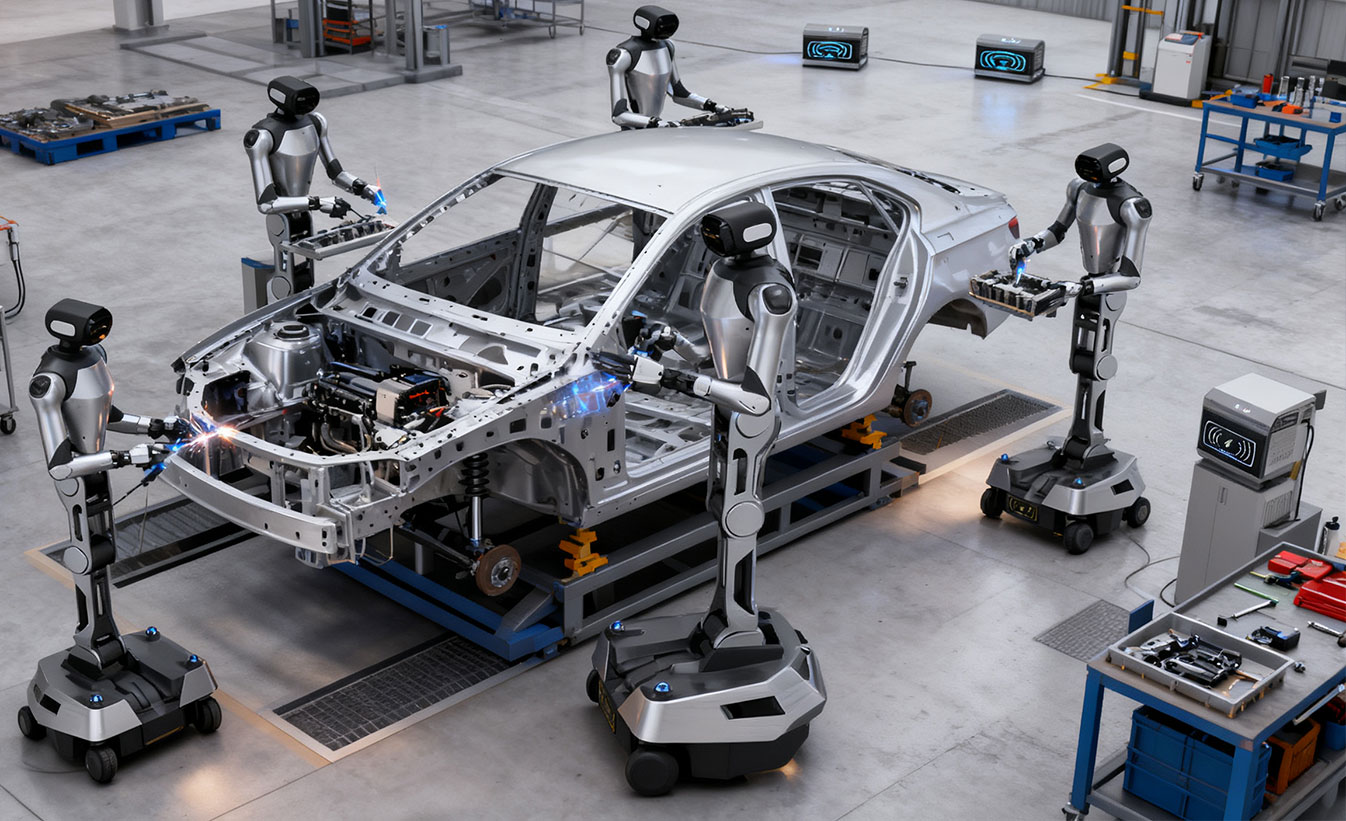
For humanoid robots that need to operate in diverse, dynamic, and even unstructured environments, wireless charging technology offers high autonomy, high safety, high adaptability, and low intervention features, becoming an important foundation for achieving truly "human-level" flexible operations. It not only overcomes the limitations of traditional contact-based charging in terms of applicable scenarios, mechanical complexity, and human dependency but also significantly improves the overall system reliability and user experience. With the development of high-efficiency power transfer and intelligent charging management technologies, wireless charging has become a key enabling technology for humanoid robots to enter home, commercial, and industrial settings.
It avoids connector damage, poor contact, or oxidation caused by frequent mechanical docking, making it particularly suitable for highly mobile, multi-degree-of-freedom humanoid robots, reducing system downtime due to charging interface failures.
Robots can charge without needing to maintain precise postures, supporting energy replenishment in various states such as standing or slight squatting, improving charging success rate and flexibility.
Robots can autonomously decide when to navigate to the charging area based on remaining power, achieving "unnoticed power replenishment" and greatly reducing reliance on humans, truly enabling 24/7 standby capability.
No precise socket alignment or complex mechanical docking actions are required, which is especially advantageous for bipedal or wheeled robots to respond quickly in dynamic environments.
Eliminates the risk of electric shock, making it particularly suitable for environments with high safety requirements, such as homes, kindergartens, and eldercare facilities.
Charging areas are free from messy cables, preventing entanglement or collisions between robots, humans, or other equipment.
The transmitter can be embedded in floors, walls, furniture, or specific countertops, maintaining aesthetic appeal and functional integration without disrupting the environment.
Charging points can be flexibly arranged across multiple functional areas according to actual usage needs, supporting energy network coverage along robots' multitask paths.
No physical contact reduces wear and tear, greatly lowering failure rates and subsequent maintenance needs. A stable wireless charging strategy helps manage battery health, avoiding frequent deep charging and discharging, thereby extending battery life.